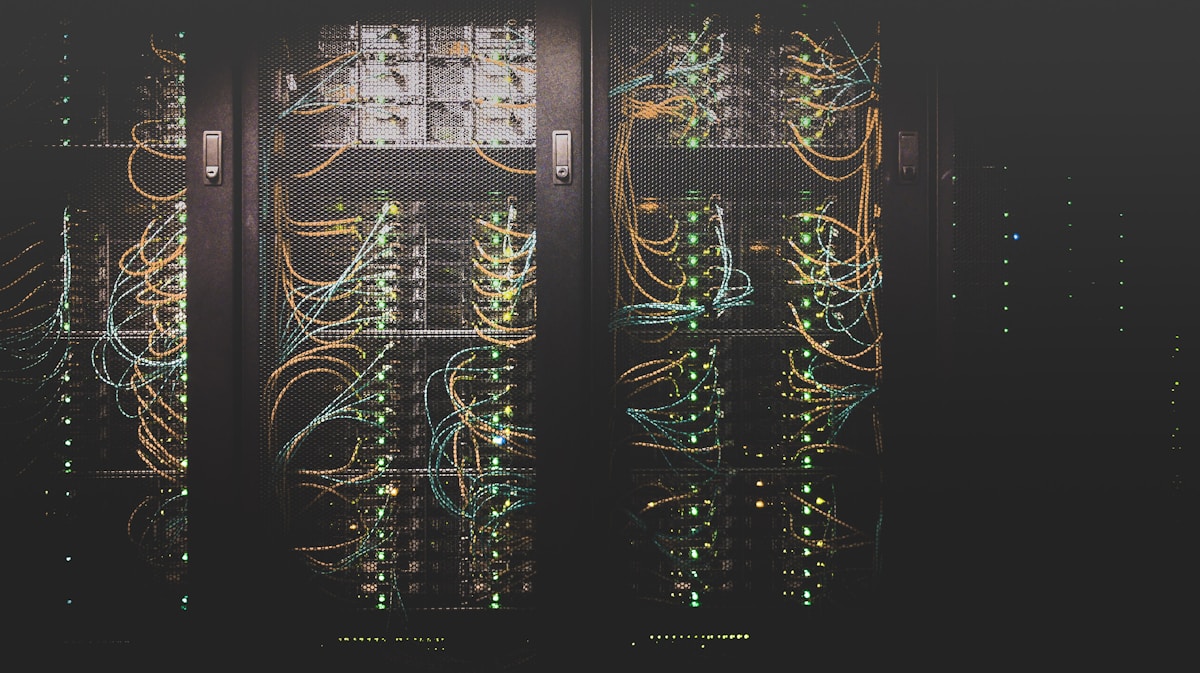
I. The Vulnerability of Subsea Fiber Optic Gateways
In the era of comprehensive digital governance, commerce, and essential public services, Corsica’s communication lifeline depends on fragile glass strands resting on the Mediterranean seabed. The island is connected to the global Internet by only three subsea fiber optic cables linking Bastia and Ajaccio to Marseille and Nice (operated by Orange and the public initiative consortium).
This critical infrastructure presents catastrophic failure risks. In the event of an accidental anchor severance by a commercial cargo ship or subsea sabotage in the Tyrrhenian Sea, Corsica would be disconnected from the digital world within seconds: electronic bank card payments frozen, hospital data unreachable, transport bookings paralyzed, and emergency administration halted.
II. Absence of a Sovereign Datacenter & The Flight of Island Data
The second dimension of digital vulnerability concerns data sovereignty (Sovereign Cloud). The Collectivité de Corse, departmental councils, intercommunal bodies, and municipalities generate massive volumes of sensitive data daily: property cadastres, vital statistics, ARS healthcare files, and local taxation databases.
Yet, lacking a secure regional sovereign datacenter on Corsican soil, over 92% of these public records are hosted on remote servers in the Paris region or with American cloud providers subject to the US CLOUD Act (Amazon AWS, Microsoft Azure, Google Cloud). Corsican local authorities pay millions in subscription fees to store their own digital heritage outside their territory.
« Over 92% of public digital records generated by Corsican public administrations are stored on physical servers located outside the island territory, depriving Corsica of control over its intangible assets. »
III. Rural Mobile White Zones and the 5G Monoculture
While coastal luxury beach resorts receive high-speed 5G antennas to cater to summer vacationers, dozens of interior villages (Castagniccia, Niolu, Alta Rocca, Deux-Sevi) remain classified as « white zones » or endure erratic 3G/4G connectivity, severely penalizing rural remote workers and telemedicine access.
IV. Documentary Evidence from ARCEP & ANSSI Audits
📊 Forensic Audit Data : Digital Infrastructure
| Digital Metric | Measured Island Value | Vulnerability & Sovereignty Consequence |
|---|---|---|
| Subsea Fiber Cable Redundancy | Only 3 Active Landing Lines | Catastrophic blackout risk in case of maritime disruption |
| Public Data Hosted Outside Corsica | > 92% of public datasets | Total legal subjugation to mainland and foreign CLOUD Acts |
| Rural Communes in Mobile White Zones | 38 Municipalities | Severe digital exclusion accelerating rural desertification |
V. Legal Recommendations & Citizen FOIA (CADA) Actions on Digital Data
To demand digital sovereignty, citizens can execute four statutory FOIA petitions under Article L. 311-1 CRPA:
📌 CADA Action #1 : Demand Subsea Fiber Maintenance Protocols
Demand from the Collectivité de Corse and ARCEP the emergency repair contracts governing subsea cable breaks.
📌 CADA Action #2 : Demand Public Cloud Hosting Expenditure Ledgers
Demand from regional authorities certified accounting sheets detailing subscription fees paid to non-resident cloud providers.
📌 CADA Action #3 : Demand ARCEP Mobile Coverage Verification Reports
Request from ARCEP on-the-ground network measurement audits across rural mountain municipalities.
📌 CADA Action #4 : Demand the Corsica Fibra Public Rollout Ledger
Petition the regional broadband agency for fiber deployment schedules and connection guarantees.
VI. Forensic Analysis of Administrative Decrees & Telecommunication Policy
Scrutiny of digital concession contracts reveals structural dependencies:
- Analysis of Public Initiative Network (RIP) Concessions : Concession agreements fail to require local server replication for critical public administrative services.
- Scrutiny of 5G Mobile Tower Deployment Plans : Telecom operators concentrate capital expenditures exclusively in high-density seasonal tourist corridors.
- Audit of Regional Healthcare Cloud Security : Patient hospital data from Bastia and Ajaccio is stored in Parisian private servers without encrypted local sovereign backups.
VII. Citizen FOIA (CADA) Recourse Framework for Digital Transparency
Under Article L. 311-1 CRPA, citizens can demand:
- Certified Subsea Fiber Redundancy Audits (ARCEP) : Technical traffic rerouting capacity files.
- Local Government Cloud Hosting Contracts (CdC) : Service level agreements signed with US and mainland cloud providers.
- Rural Broadband Investment Acceleration Ledgers (ANCT) : Public funds allocated to rural mountain fiber connections.
- Cybersecurity Incident Logs (ANSSI) : State audits regarding cyber-attack vulnerabilities on island public utilities.
VIII. Institutional Actors & Networks of Influence Mapping
The investigation into Digital Infrastructure reveals key institutional entities:
- ARCEP (Regulatory Authority for Electronic Communications) : Regulating national telecom operators under centralized market frameworks.
- National Telecom Cartels (Orange, SFR, Bouygues, Free) : Prioritizing seasonal commercial profitability over universal island coverage.
- ANSSI (National Cybersecurity Agency) : Defining national digital security doctrine without dedicated insular infrastructure funding.
- Collectivité de Corse (Corsica Fibra) : Deploying the public fiber network while lacking direct legislative telecom powers.
- Rural Citizens & Local Tech Entrepreneurs : Constrained by poor connectivity and absence of local digital infrastructure.
IX. Methodological Guide for CADA Evidence Gathering & Administrative Petitioning
⚖️ Statutory Protocol for Access to Public Records (Art. L. 311-1 CRPA)
| CRPA Statutory Step | Legal Procedure | Timeframes & Enforceability |
|---|---|---|
| Step 1 : Initial Formal Request | Certified FOIA petition addressed to ARCEP or regional authority | 1 Month without reply = Tacit Denial |
| Step 2 : CADA Escalation | Formal appeal before the Commission d’Accès aux Documents Administratifs | 1 Month for statutory CADA opinion |
| Step 3 : Administrative Court (TA) | Judicial petition before the Administrative Court of Bastia | 2 Months following unfavorable CADA opinion |
| Step 4 : Public Registry Disclosure | Release of obtained records on transparency portals | Immediate upon communication |
🎯 Target Public Documents Specific to Investigation 19 : Digital Infrastructure & Data Sovereignty
| Target Authority | Statutory Document to Demand | Legal Foundation |
|---|---|---|
| ARCEP Directorate | Technical resilience audit of subsea telecom cables linking Corsica to Europe | Art. L. 311-1 CRPA |
| Collectivité de Corse | Comprehensive inventory of cloud storage contracts and physical server locations | Art. L. 311-1 CRPA |
| Corsica Fibra / SFR FTTH | Certified schedule of remaining rural optical fiber home connections | Art. L. 311-1 CRPA |
| ARS de Corse | Technical cybersecurity compliance files regarding regional patient data storage | Art. L. 1110-4 Code Santé Publique |
X. Forensic Summary & Legislative Recommendations (Digital Code & Sovereign Cloud)
📊 Forensic Audit Matrix & Indicators : Digital Commons
| Digital Indicator | Measured Metric | Statutory Benchmark | Diagnostic Status |
|---|---|---|---|
| Island Public Data Hosted Outside Corsica | > 92% of total data | Sovereign Territorial Cloud Benchmark | 🔴 Extreme Strategic Vulnerability |
| Subsea Optical Fiber Lines | Only 3 Active Cables | Minimum Island Security Standard: > 5 Lines | 🔴 High Blackout Vulnerability |
| Rural Communes in Mobile White Zones | 38 Municipalities | Universal Service Obligation Target: 0 | 🔴 Severe Rural Disconnect |
| Regional Sovereign Datacenter Facility | 0 Tier-IV Facilities | Critical Infrastructure Requirement | 🔴 Total Infrastructure Void |
| Public Administration Open Source Adoption | < 15% of software | European Digital Autonomy Standard | ⚠️ High Proprietary Lock-in |
Legislative Recommendations & Innovative Statutory Remedies :
- Construction of the Corsican Sovereign Underground Datacenter (Datacenter Sovranu di Corsica) : Establish a public-owned Tier-IV ecological datacenter in the granite interior (Corte/Venaco) powered by local hydropower to host 100% of island public, health, and cadastral data.
- Deployment of Direct Subsea Fiber Connections to Italy & Sardinia : Construct two new independent subsea fiber optic cables linking Bastia to Livorno (Tuscany) and Bonifacio to Santa Teresa (Sardinia), eliminating total dependence on mainland French gateways.
- Mandatory Open-Source & Local Data Hosting for Public Administration : Require that all municipal and regional public bodies transition to self-hosted open-source software platforms within 48 months.\n